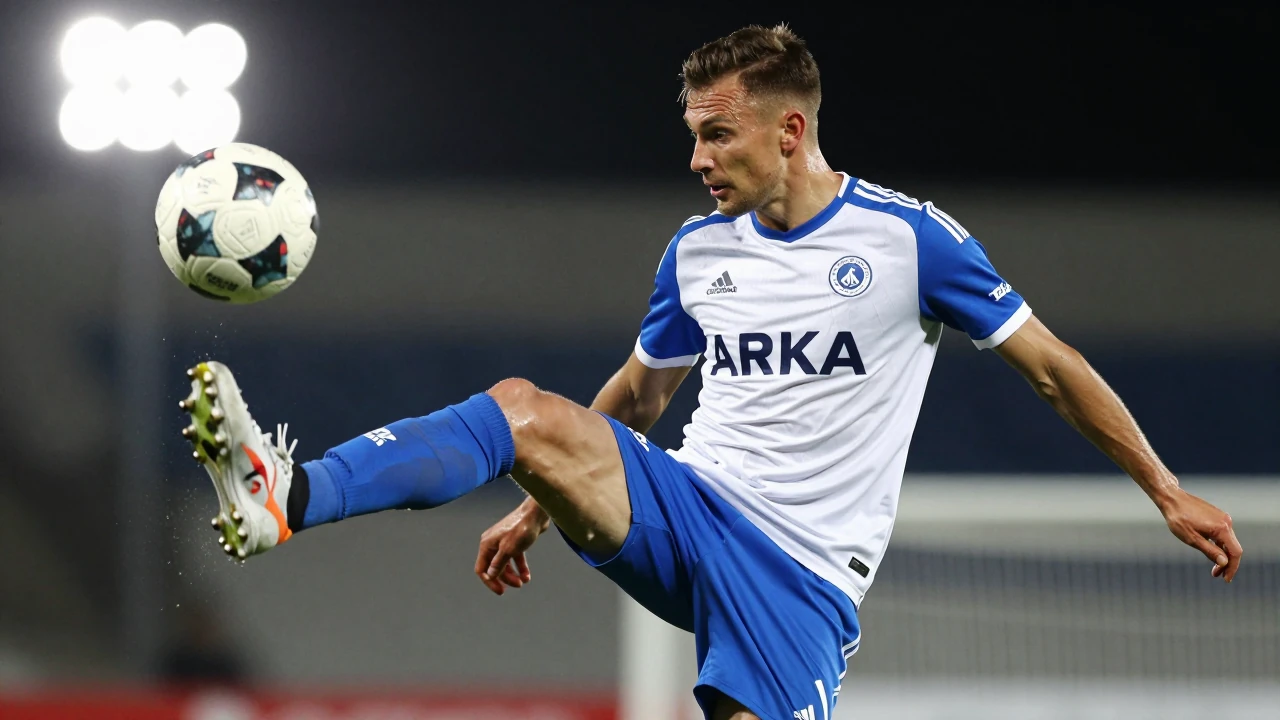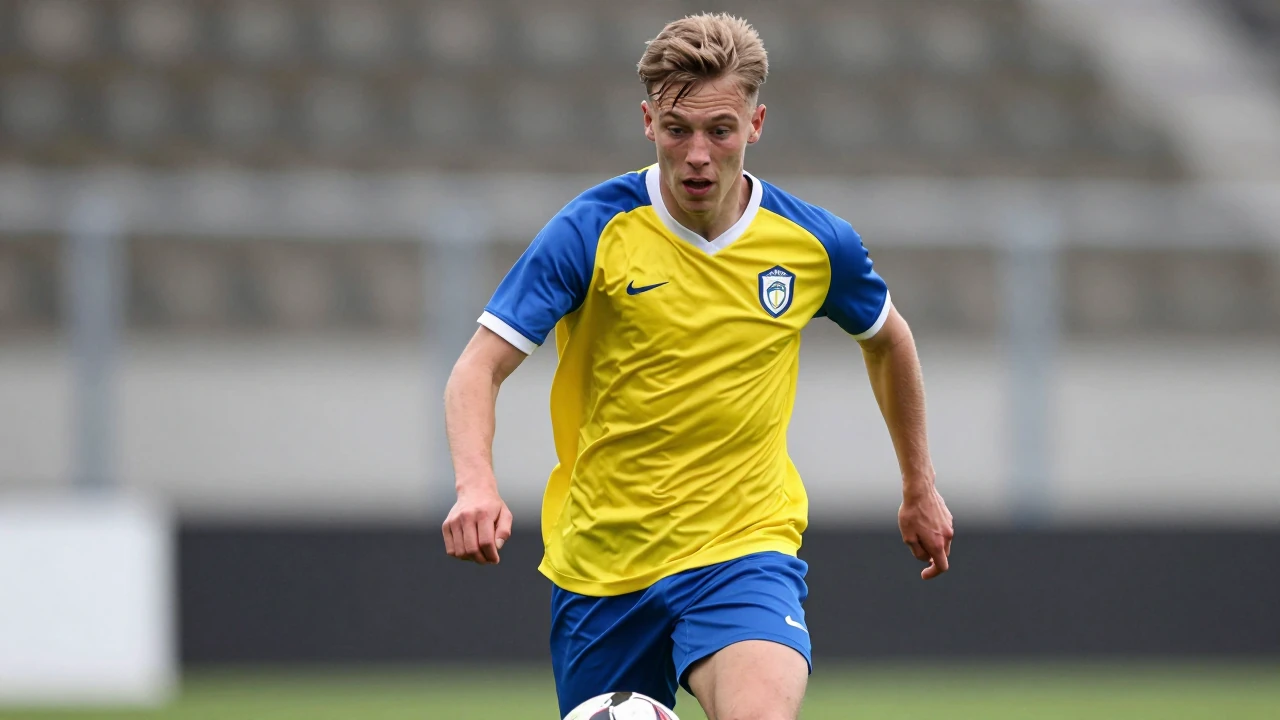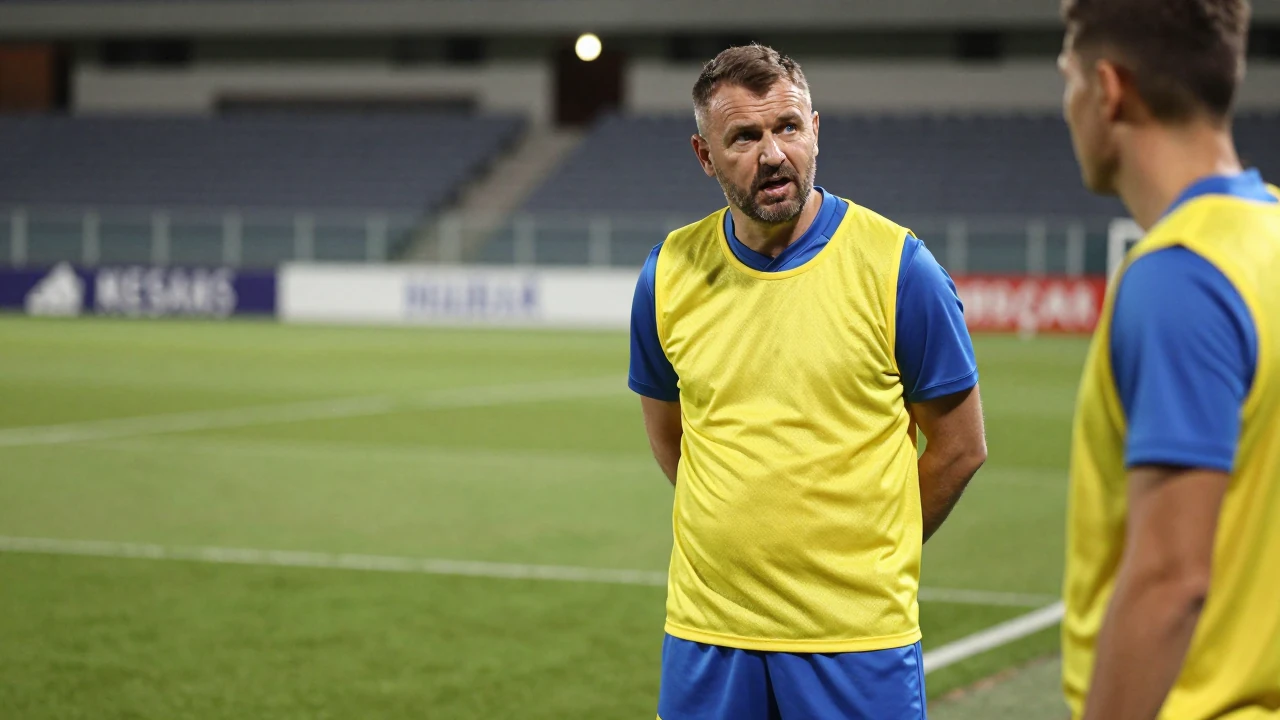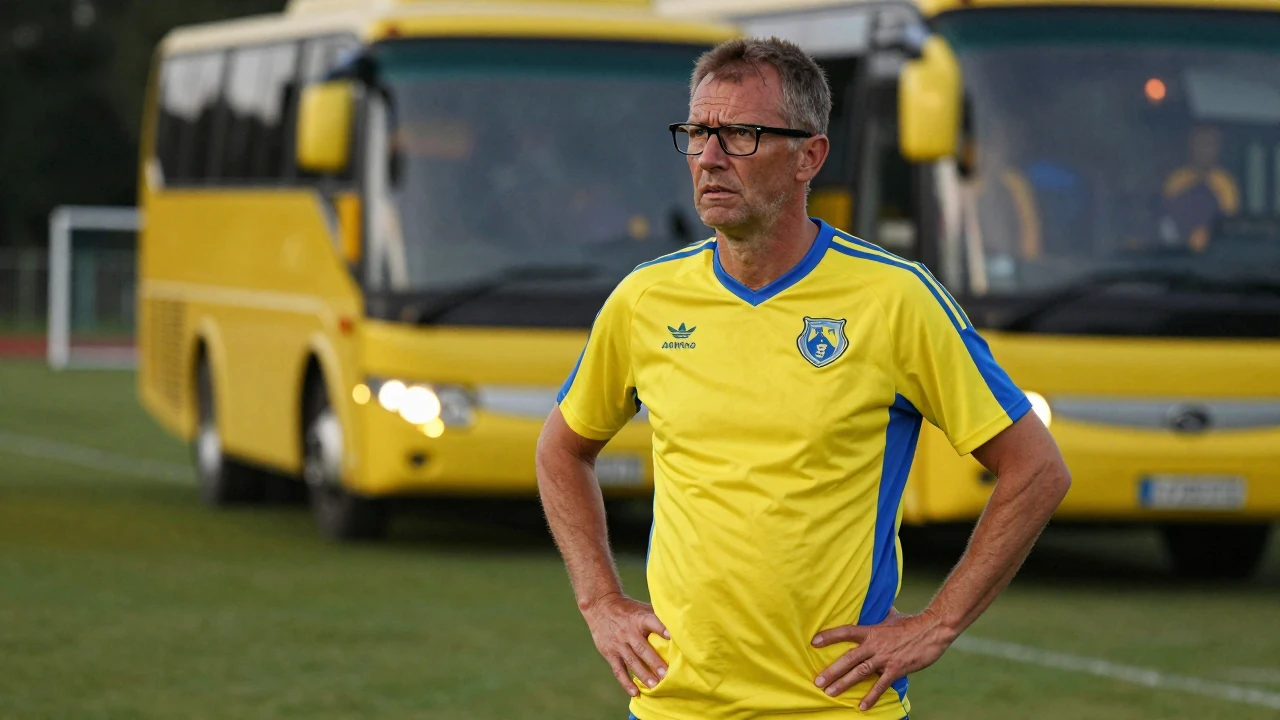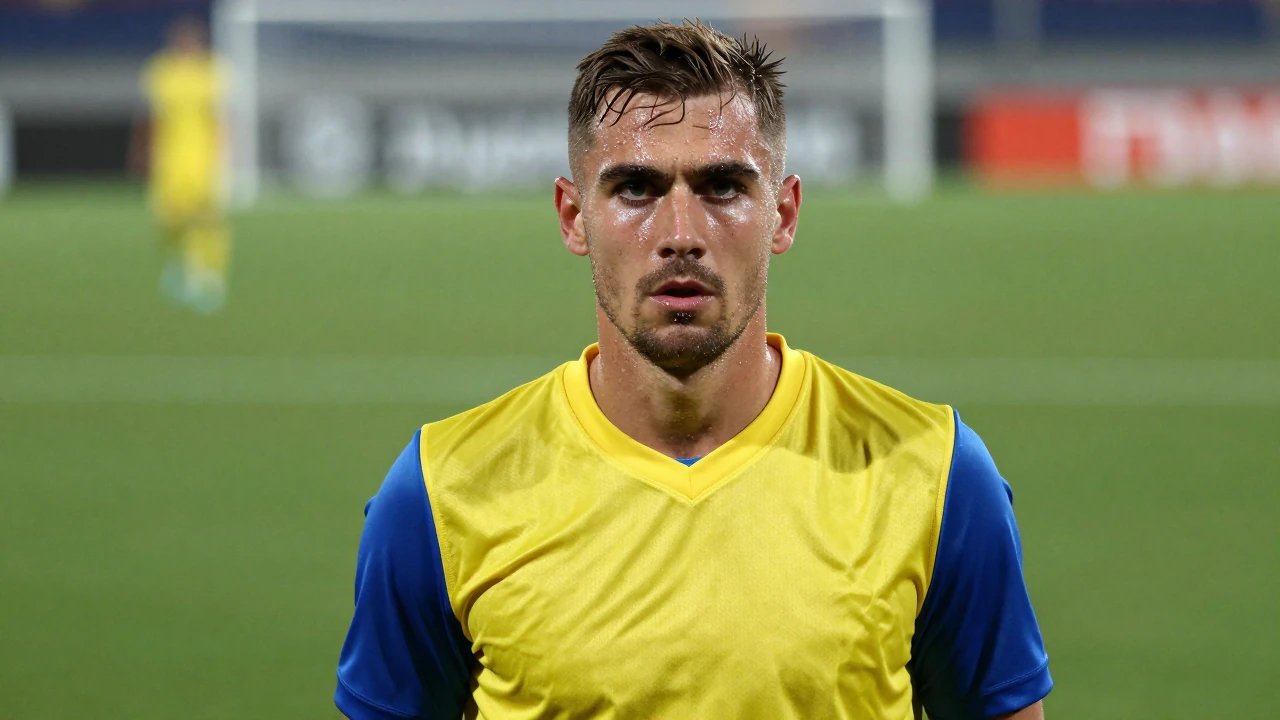
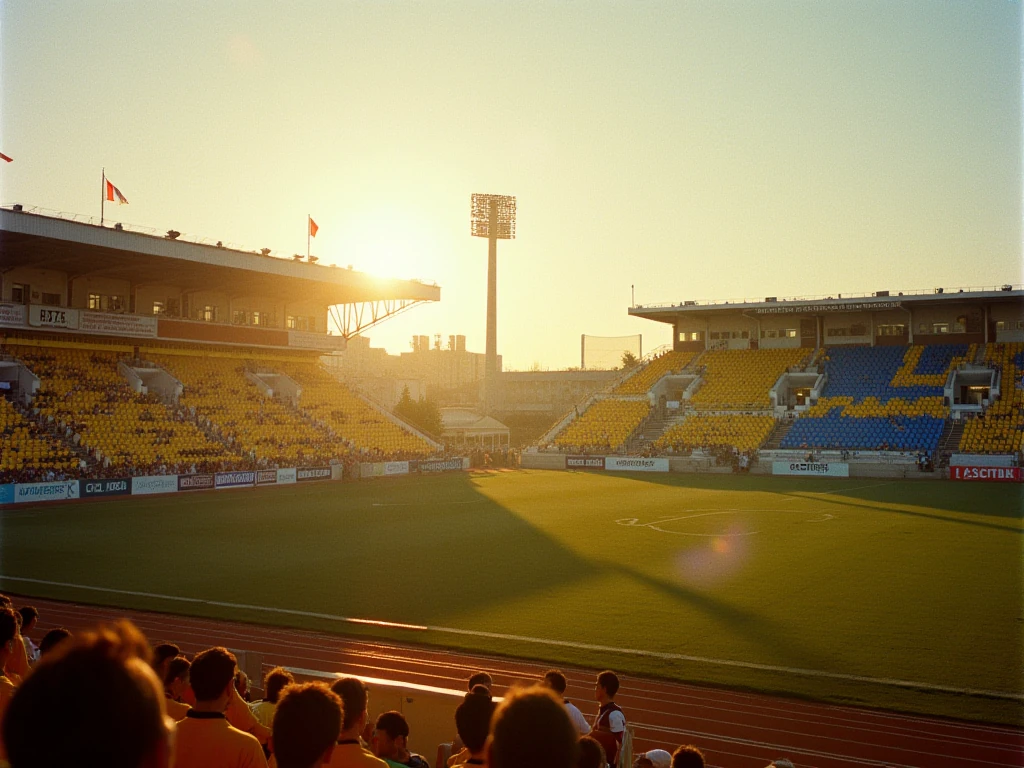
In a fixture widely anticipated as a crucial turning point in their desperate struggle for PKO Ekstraklasa survival, Arka Gdynia delivered a performance synonymous with misery and despair, succumbing to Piast Gliwice with a disheartening 1:4 scoreline. This encounter, billed by many as a "match for life," instead transformed into a painful demonstration of their impotence, plunging the Yellow-blues even deeper into the relegation zone and igniting a very real fear for their future in the lower league.
From the very outset of the season, Arka Gdynia has grappled with persistent issues that have consistently kept them anchored at the bottom of the league table. Recent weeks, however, had offered a glimmer of hope, particularly after a few respectable performances that suggested Dariusz Banasik's squad was finally finding its rhythm. The match against Piast Gliwice, a formidable opponent from the top half of the league, was intended as a definitive test of character and genuine capability-a trial to ascertain whether Arka could challenge a stronger rival and secure vital points to avert relegation. The atmosphere surrounding the club was fraught with tension; fans, with both hope and apprehension, looked to this fixture, acutely aware of its immense significance. Every point, every victory, was deemed priceless, and their direct rivals in the battle for survival were certainly not idle. The trip to Gliwice was therefore a journey in pursuit of hope, a hope that was about to be brutally extinguished.
The opening minutes of the match initially gave no indication of the impending disaster. Arka attempted to play boldly, seeking out their opportunities, yet Piast quickly seized the initiative. The Gliwice side, with their characteristic precision and effectiveness, began to dominate the midfield, and their attacks grew increasingly menacing. Arka's defense, though initially determined, started to crumble under the hosts' relentless pressure. Piast's opening goal was a direct consequence of a miscommunication within the Yellow-blues' defensive line, immediately deflating the Gdynia team. Rather than galvanizing them, the conceded goal introduced chaos and nervousness. Piast exploited this ruthlessly, swiftly scoring another, which, even before halftime, placed Arka in an exceedingly difficult predicament. Instead of witnessing a team fighting for every ball, supporters observed a disoriented side, devoid of any clear strategy for effective defense or counter-attack.
The halftime break in the changing room was meant to be a moment of sobering reflection and to inject a renewed fighting spirit into the team. Regrettably, the second half merely brought a continuation of their agony. Coach Banasik attempted substitutions, hoping to reverse the tide of the match, but to no avail. Arka, despite their offensive efforts, proved incapable of creating any genuine threat to Piast's goal. Worse still, a lack of concentration and poor defensive decisions continued to plague the team. Further goals for Piast were only a matter of time, each one progressively suffocating the last vestiges of hope. Arka's reply, an honorary goal, served merely as a statistical consolation that in no way salvaged the dismal performance of the Yellow-blues. The entire team appeared resigned, utterly devoid of belief in their ability to turn the game around. This was no longer a "match for life"; it was a public execution of their dreams of top-flight survival.
Individual assessments following this match were unequivocal-catastrophic. It is challenging to name even a single Arka player who merited praise. The vast majority of players performed dreadfully, committing errors in positioning as well as in simple technical plays. A glaring lack of engagement, determination, and quality was evident across every inch of the pitch. Post-match, Dariusz Banasik, despite the undeniable bitterness of defeat, attempted to maintain a semblance of optimism, though his words sounded like a desperate attempt to cling to hope in the face of futility. "It's not yet a funeral," he declared, implying that the fight for survival, while incredibly arduous, was still ongoing. These words, intended to lift spirits, rang hollow in the context of such a humiliating defeat, resembling a mantra recited in the face of an impending end. The coach faces immense pressure, and his ability to motivate the squad after such a collapse will be put to its most severe test.
For Arka Gdynia's loyal supporters, this defeat was nothing short of a dagger to the heart. The sight of a helpless team, which appeared to have no tactical answer to Piast, was devastating. Internet forums and social media platforms were inundated with waves of disappointment, anger, and a pervasive sense of helplessness. Fears of relegation, which until now had been a distant specter, have now become a tangible reality. After the 30th matchday, Arka's league position has become dire. The gap to safety, instead of narrowing, has widened, and the team's morale, already low, has plummeted even further. Time to recover ground is rapidly diminishing, and the remaining fixtures do not promise any easy encounters. The defeat to Piast not only cost them points but, more significantly, eroded belief-belief that this team possesses the capability to remain among the elite.
The defeat to Piast Gliwice represents a pivotal, perhaps even fatal, moment in Arka Gdynia's current campaign. With only a few matchdays remaining in the PKO Ekstraklasa season, each upcoming fixture will now genuinely be a "match for life" in the purest sense of the term. Arka must unearth hitherto untapped reserves of strength, character, and footballing quality to reverse the course of their season. Without a radical shift in mentality and on-field performance, Coach Banasik's words about "it's not yet a funeral" may prove to be merely bitter comfort in the face of inevitable relegation. The final matches will determine whether Arka can salvage their top-flight status or if they are destined to spend another season in the league's antechamber.